
Yagé (Ayahuasca)
What is Yagé or Ayahuasca?
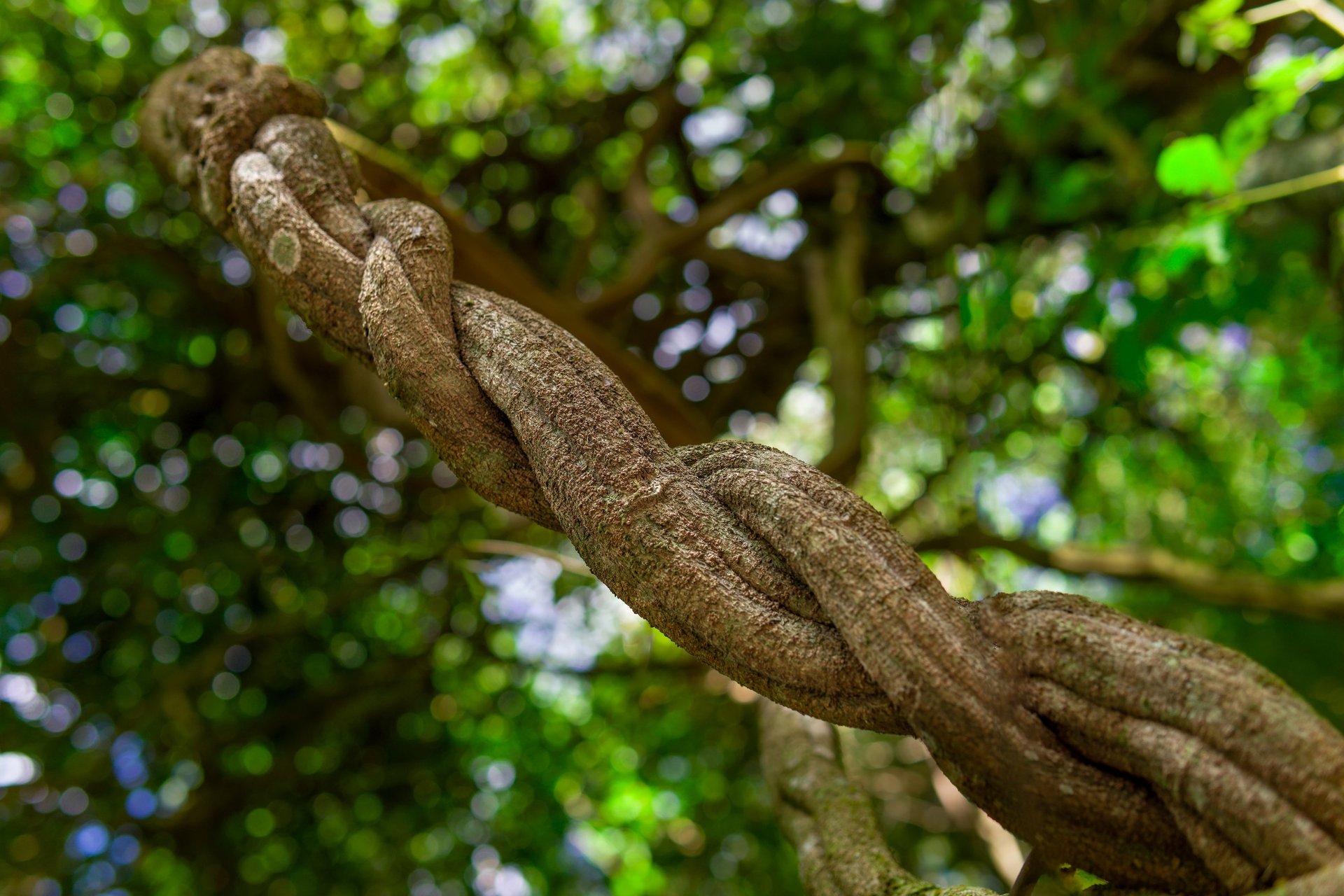
Ayahuasca is a traditional Amazonian plant medicine, used for centuries by indigenous and mestizo healers in Peru, Colombia, Ecuador, and Brazil. This sacred brew is made from a combination of the Ayahuasca vine (Banisteriopsis caapi) and the Chagro Panga leaf (Dyplopteris cabrerana) or Chacruna leaf (Psychotria viridis), which contains the potent psychoactive compounds dimethyltryptamine (DMT), 5-metoxi-N,N-dimethyltryptamine (5-MeO-DMT). When consumed, ayahuasca induces altered states of consciousness. The name "ayahuasca" comes from the Quechua language, meaning "vine of the soul" or "vine of the spirits," and it is known by various other names across the Amazon Basin, such as oni, caapi, natema, yajé, yagé, nepe, shuri, kamalampi, and kaji.
Traditionally, ayahuasca has been used for diagnosing and treating illnesses, shamanic communication, and communal activities like hunting magic, warfare, and collective rituals. Although the exact origins of ayahuasca are unknown due to the lack of written records before the Spanish conquistadors' invasion of the Amazon in the 16th century, archaeological evidence indicates its use dates back at least two thousand years. The practices surrounding ayahuasca have evolved to reflect the diverse cultures, spiritual beliefs, economic conditions, political landscapes, and social structures of its users. Today, it forms the cornerstone of traditional medicine for over 75 different cultures in the Amazon and has gained popularity worldwide as an alternative healing method where modern medicine has proven ineffective.
“One of the most frustrating failures of Western medical practice is its lack of awareness of the unity of mind and body despite voluminous, elegant, and absolutely persuasive research evidence that the distinction between mind and body is false, unscientific, and – in real life – impossible.”
– Dr. Gabor Maté, from foreword of The Fellowship of the River by Dr. Joe Tafur
Healing the emotional, energetic and spiritual bodies from the root
Plant medicine healthcare, far from being a part of the “New Age” movement, has been practiced for thousands of years, long before the development of Western medicine. While modern medicine excels at identifying physical causes of illness, plant medicine, particularly ayahuasca, provides an opportunity to address the emotional, energetic, and spiritual roots of disease by opening channels of communication with our subconscious inner selves.
From a shamanistic perspective, most illnesses and diseases stem from blockages or imbalances in a person's energy. These disruptions often result from various forms of trauma experienced throughout life. Shock trauma, such as abuse, attacks, or loss, is one form, but trauma can also arise from surgeries, accidents, illnesses, injuries, relationships, financial difficulties, societal pressures, betrayals, or anger from loved ones, and even birth-related issues.
With the guidance of trained and ethical healers, ayahuasca can help correct these energy imbalances through healing ceremonies. Unlike Western medicine, which focuses on physical symptoms, this approach emphasizes addressing the root energetic cause. Ignoring these root causes can hinder our natural healing process, suppressing symptoms without resolving the underlying issues and neglecting the mental and emotional well-being encompassed by the energetic body.
In our youth, we inherit patterns, habits, and lifestyles from our caregivers and are shaped by early life events. Ayahuasca can help revisit these formative memories, allowing us to understand how they shaped our perceptions, values, and beliefs. Negative experiences or emotions from childhood often get buried in our subconscious, creating energetic imprints that affect our adult lives, influencing stress management, addiction tendencies, depression, anxiety, and our connections with ourselves and others. Engaging with our inner child through this process allows us to reflect on, integrate, and release negative emotions and their energetic hold, leading to healing and a return to authenticity, presence, and peace.
Transformation involves confronting our shadow selves, emotional pain, and discomfort. This process cannot be achieved through intellectual effort alone; it requires a heartfelt experience of the emotions and traumas we have been avoiding. Fully integrating our shadow selves allows us to transform their energy for positive purposes, leading to a state of love and gratitude achieved through overcoming challenges. Ayahuasca brings subconscious blockages to the surface, highlighting unhelpful patterns and helping us face and transform them, turning darkness into keys for liberation.
"The documented unity of mind and body means that such experiential transformation, if genuine, can powerfully affect the hormonal apparatus, the nervous and immune systems, and all organs such as the brain, the gut, and the heart. Hence the healing potential of the plant, seen through the lens of Western science."